

For modern road cyclists, upgrading a bicycle is no longer just about frames or wheelsets. The drivetrain system—commonly known as the groupset—has become one of the most important factors influencing riding efficiency, shifting precision, climbing performance, and overall riding experience.
As riders continue to pursue lighter bikes, smoother shifting, and more aerodynamic performance, understanding how a road bike groupset works is essential before making an upgrade decision. Whether you are building a new race bike, upgrading an endurance setup, or pairing a new drivetrain with high-performance carbon wheels from Amoy Wheels, choosing the correct groupset can dramatically change how your bike feels on the road.
In this complete guide, we will explain:
What a road bike groupset is
What components are included in a groupset
Mechanical vs electronic shifting systems
How to choose the right road bike groupset for your riding style
What Is a Road Bike Groupset?
A road bike groupset refers to the complete collection of drivetrain and braking components that control acceleration, gear shifting, pedaling efficiency, and stopping performance.
In simple terms, the groupset is the “operating system” of your road bike. It determines how smoothly your bike shifts gears, how efficiently power transfers to the rear wheel, and how responsive the bike feels during climbs, sprints, and long-distance riding.
Modern road bike groupsets are designed to work as integrated systems. Every component—from shifters to derailleurs—is engineered for compatibility and performance consistency.
For riders using lightweight carbon wheelsets like those developed by Amoy Wheels, a high-quality groupset becomes even more important because improved drivetrain efficiency allows riders to fully benefit from lightweight wheel performance and aerodynamic advantages.
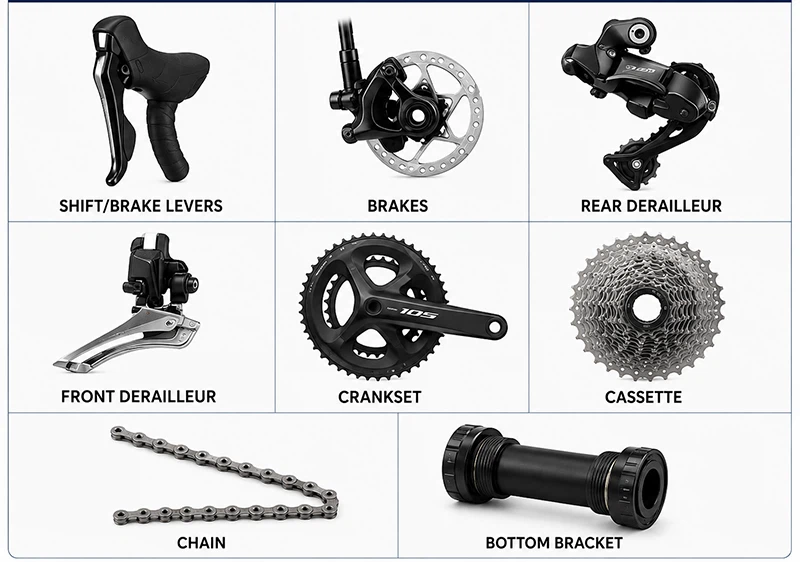
Components Included in a Road Bike Groupset
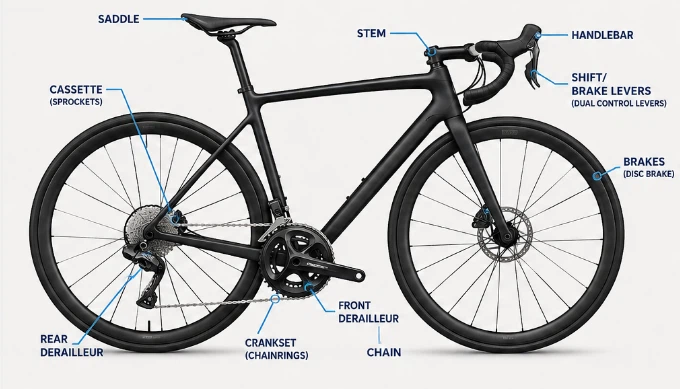
A complete road bike groupset typically includes the following components:
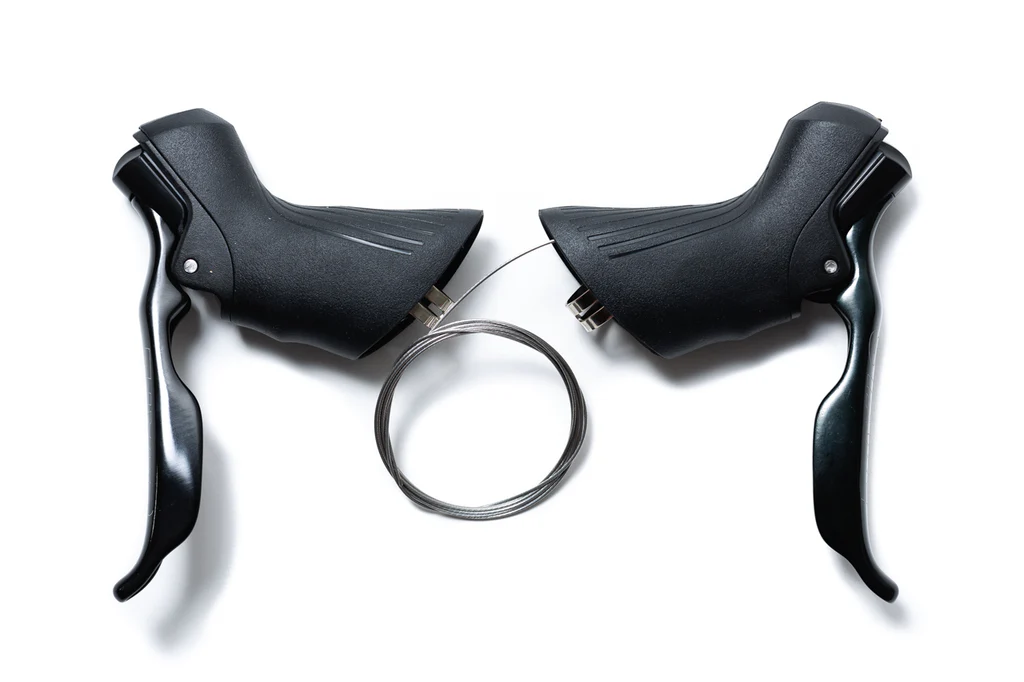
1. Shifters / Brake Levers
Shifters control gear changes while also functioning as brake levers. Modern integrated shifter systems allow riders to shift without removing their hands from the handlebars.
Mechanical systems use cables, while electronic systems use motors and batteries for shifting commands.
2. Front Derailleur
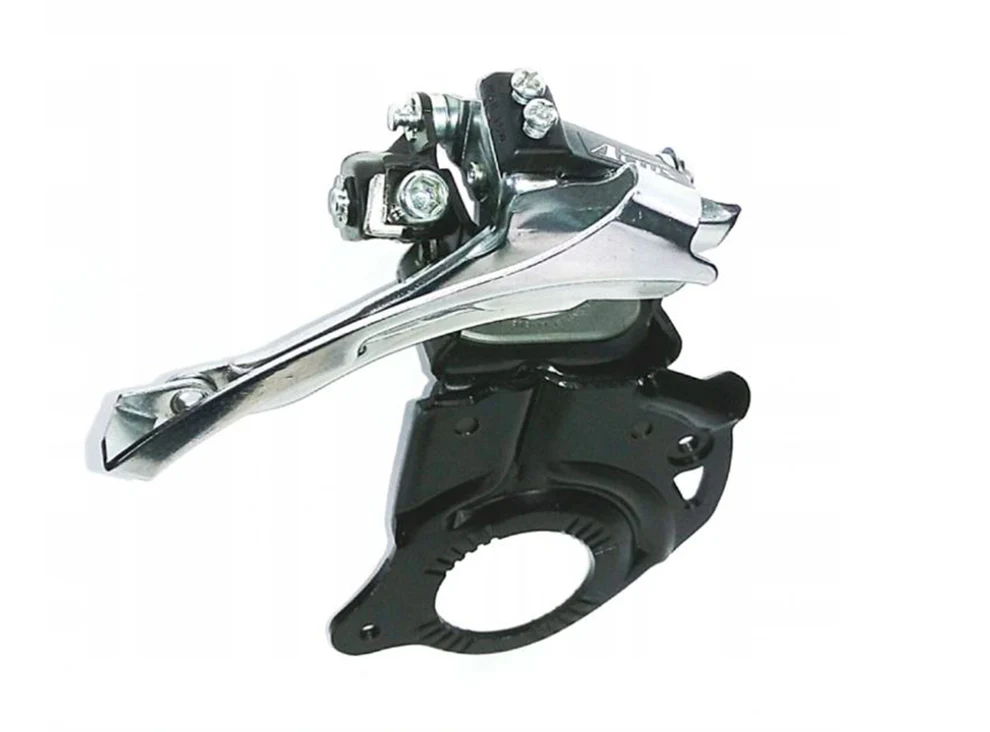
The front derailleur moves the chain between the front chainrings. It plays a key role in managing cadence during climbs, descents, and flat-road acceleration.
Higher-end groupsets provide faster and quieter front shifting performance.
3. Rear Derailleur
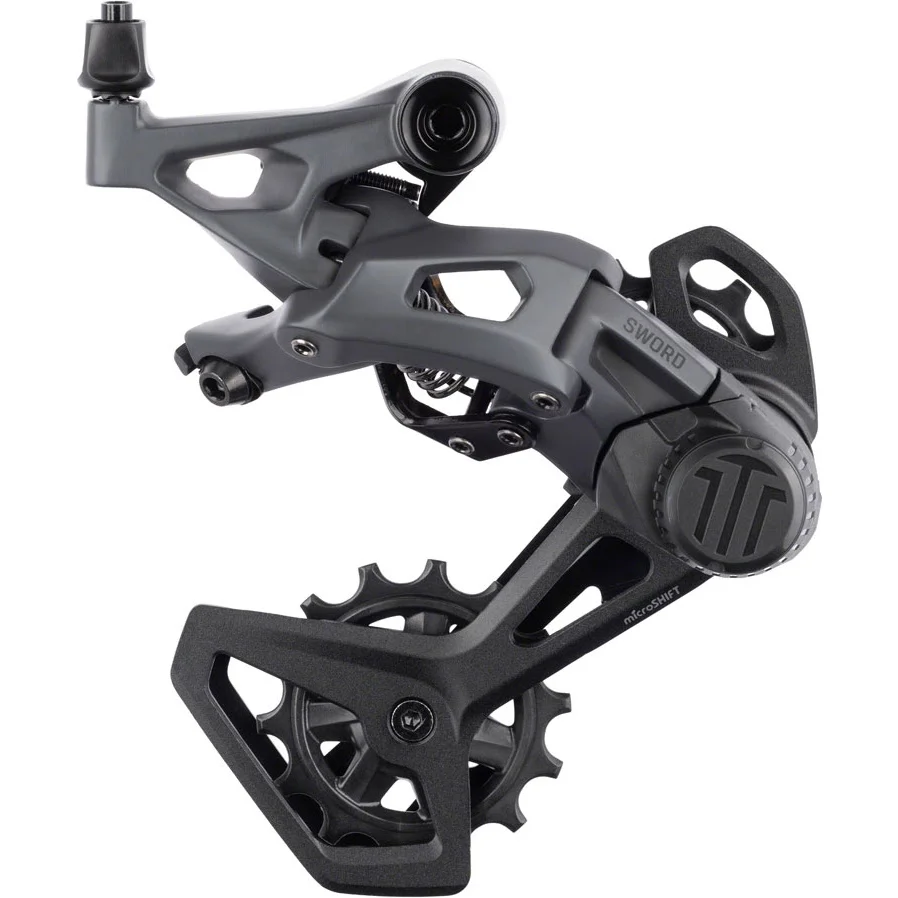
The rear derailleur controls shifting across the cassette at the rear wheel. It directly affects shifting speed, drivetrain stability, and chain retention.
For performance riders using deep-section carbon wheels from Amoy Wheels, precise rear shifting becomes particularly important during high-speed riding and sprint efforts.
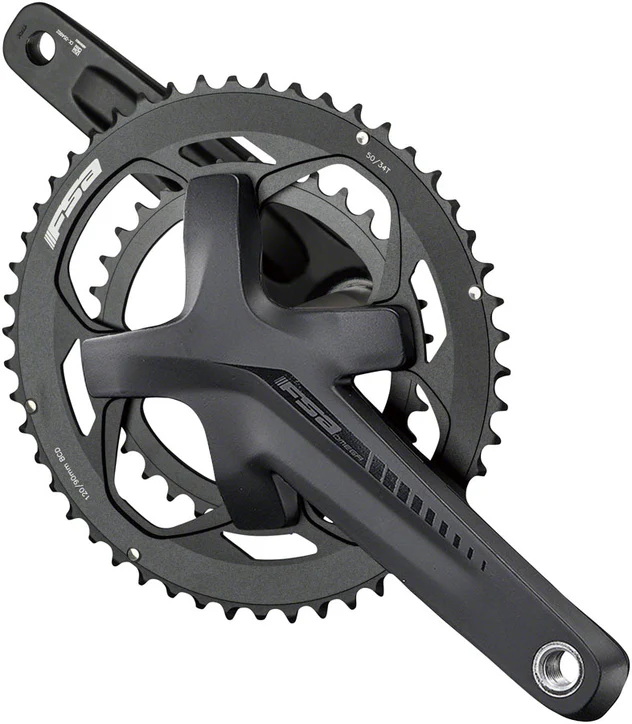
4. Crankset
The crankset consists of crank arms and chainrings. It converts pedaling power into drivetrain movement.
Road bike cranksets generally come in:
Standard (53/39T)
Semi-compact (52/36T)
Compact (50/34T)
Choosing the correct crank ratio depends on terrain and riding goals.
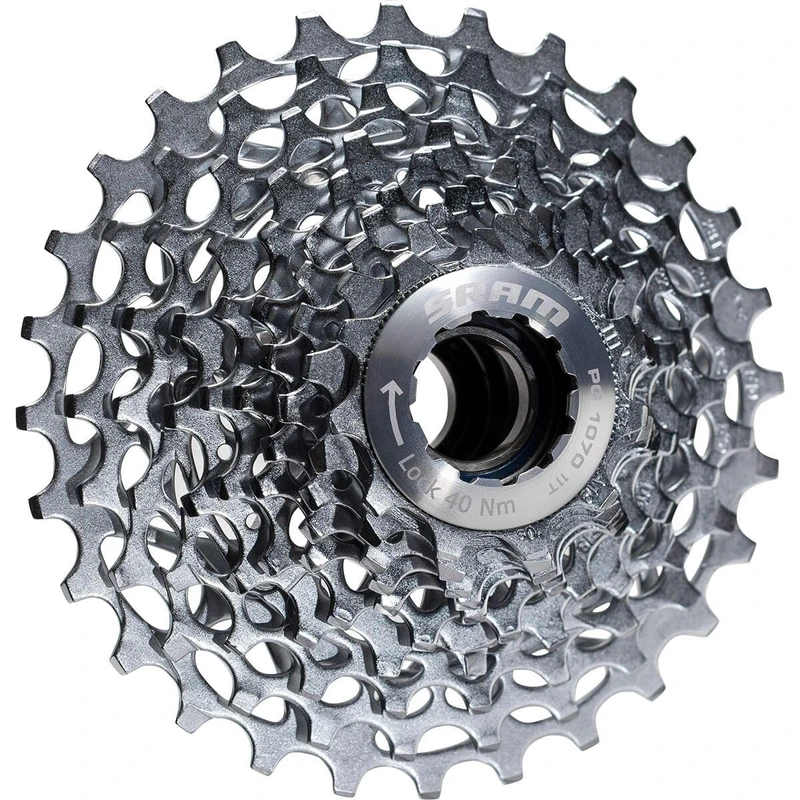
5. Cassette
The cassette contains multiple rear sprockets that determine gear range.
Examples include:
11-28T for racing
11-30T for all-round riding
11-34T for climbing
A wider cassette range improves climbing efficiency but may slightly affect gear transition smoothness.
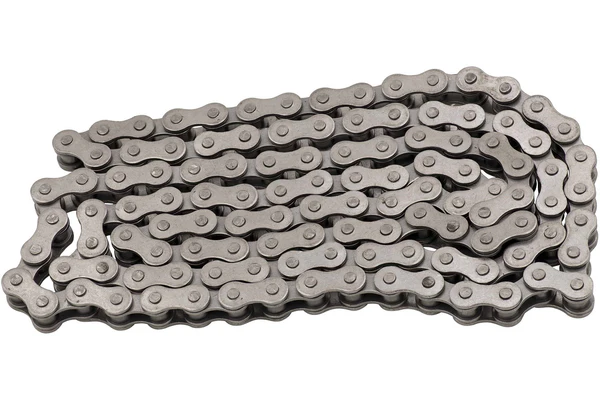
6. Chain
The chain transfers pedaling force from the crankset to the rear wheel.
High-quality chains improve shifting smoothness and drivetrain durability while reducing friction losses.
7. Braking System
Modern road groupsets now heavily favor hydraulic disc brakes because they offer:
Stronger braking power
Better modulation
More consistent wet-weather performance
This is especially beneficial when paired with carbon wheelsets from Amoy Wheels, where stable braking and precise handling create a more confident riding experience.
Mechanical vs Electronic Road Bike Groupsets
One of the biggest questions modern cyclists face is whether to choose a mechanical or electronic groupset.
Both systems have advantages depending on budget, riding style, and maintenance preferences.
Mechanical Groupsets
Mechanical groupsets use steel cables to move derailleurs.
Advantages
Lower purchase cost
Easier maintenance
Simple roadside repairs
No battery charging required
Disadvantages
Cable stretch over time
Slightly slower shifting
More frequent adjustment needed
Mechanical systems remain popular among endurance riders, amateur racers, and cyclists who value simplicity.
Electronic Groupsets
Electronic groupsets use small motors and digital signals for gear changes.
Popular systems include:
Shimano Di2
SRAM AXS
Campagnolo EPS
Advantages
Extremely fast shifting
Precise gear changes
Minimal maintenance adjustments
Cleaner cockpit integration
Disadvantages
Higher cost
Battery management required
More expensive repairs
Electronic shifting has become the standard for competitive racing and premium road bikes.
Industry Analysis: Mechanical vs Electronic Groupsets
Feature
Mechanical Groupset
Electronic Groupset
Shifting Speed | Fast | Extremely Fast |
Maintenance | Moderate | Low |
Weight | Slightly lighter | Slightly heavier |
Cost | Lower | Higher |
Customization | Limited | Advanced |
Long-Distance Reliability | Excellent | Excellent |
Racing Performance | Strong | Elite-Level |
How to Choose the Right Road Bike Groupset
Choosing the correct groupset depends on your riding goals, terrain, budget, and future upgrade plans.
1. For Beginner Riders
Entry-level riders should prioritize reliability and affordability.
Recommended:
Shimano Tiagra
Shimano 105
SRAM Rival
These groupsets offer smooth performance without excessive cost.
2. For Endurance Cyclists
Long-distance riders benefit from:
Wider gear ranges
Comfortable cadence options
Hydraulic disc braking
Pairing endurance-oriented groupsets with lightweight carbon wheelsets from Amoy Wheels creates a highly efficient setup for all-day riding.
3. For Competitive Racers
Performance riders should prioritize:
Low drivetrain weight
Fast shifting speed
Aerodynamic integration
Electronic systems paired with aerodynamic carbon wheels can significantly improve acceleration and race efficiency.
4. For Climbers
Climbing-focused riders should choose:
Compact cranksets
Wide-range cassettes
Lightweight wheel systems
A lighter rotational setup dramatically improves climbing responsiveness.
5. Consider Future Upgrades
Before purchasing a groupset, consider:
Wheel compatibility
Disc brake standards
Cassette support
Wireless integration
Modern bikes increasingly favor integrated systems that combine electronic shifting with aerodynamic wheel platforms.
Why Wheelsets and Groupsets Must Work Together
Many riders focus only on drivetrain upgrades while overlooking wheel performance.
In reality, a high-quality carbon wheelset can unlock the full potential of a premium groupset. Lightweight aerodynamic wheels improve acceleration, reduce rotational mass, and enhance handling precision.
At Amoy Wheels, we specialize in manufacturing lightweight carbon fiber bicycle rims and wheelsets engineered for modern road cycling. Using advanced Toray carbon fiber materials and strict quality testing exceeding UCI and ISO standards, our wheel systems are designed to perfectly complement both mechanical and electronic road bike groupsets.
Whether for racing, endurance riding, or climbing performance, combining the right drivetrain with the right wheelset creates a faster, smoother, and more enjoyable riding experience.
FAQ
What is the best road bike groupset for beginners?
Shimano 105 is widely considered the best balance of performance, durability, and price.
Are electronic groupsets worth it?
For performance-focused riders and racers, electronic systems offer faster and more precise shifting.
How long does a road bike groupset last?
With proper maintenance, most groupsets can last tens of thousands of kilometers.
Can I upgrade my groupset without changing wheels?
Usually yes, but compatibility with cassette speed and brake systems must be checked.
Why are carbon wheels important with modern groupsets?
Carbon wheelsets improve acceleration, efficiency, and overall bike responsiveness.
Conclusion
The modern road bike groupset is far more than a collection of components—it is the heart of the riding experience. From mechanical simplicity to electronic precision, choosing the right drivetrain directly impacts speed, comfort, climbing ability, and long-distance efficiency.
As cycling technology continues evolving, riders are increasingly combining advanced groupsets with lightweight aerodynamic wheelsets for maximum performance gains. At Amoy Wheels, we remain committed to developing high-performance carbon fiber bicycle wheels and rims that help cyclists fully unlock the potential of modern road bikes.
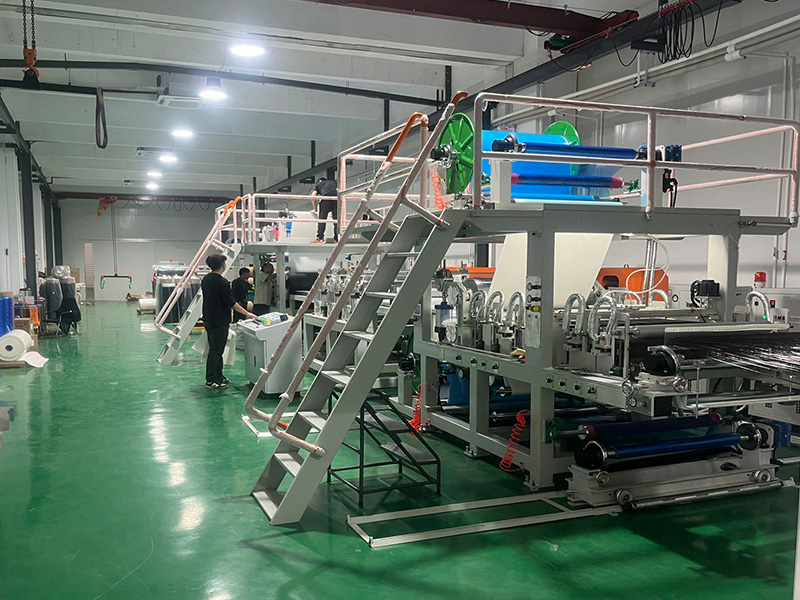
Weaving Machines
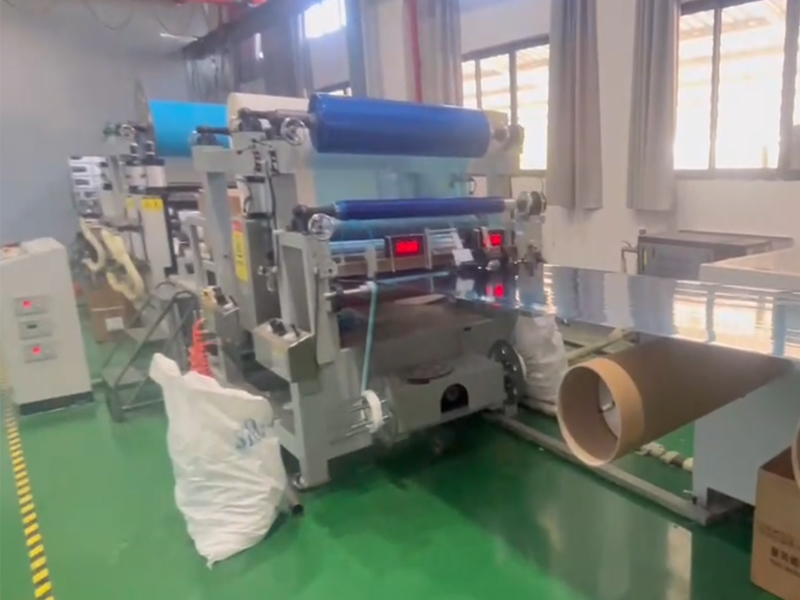
Weaving Machines
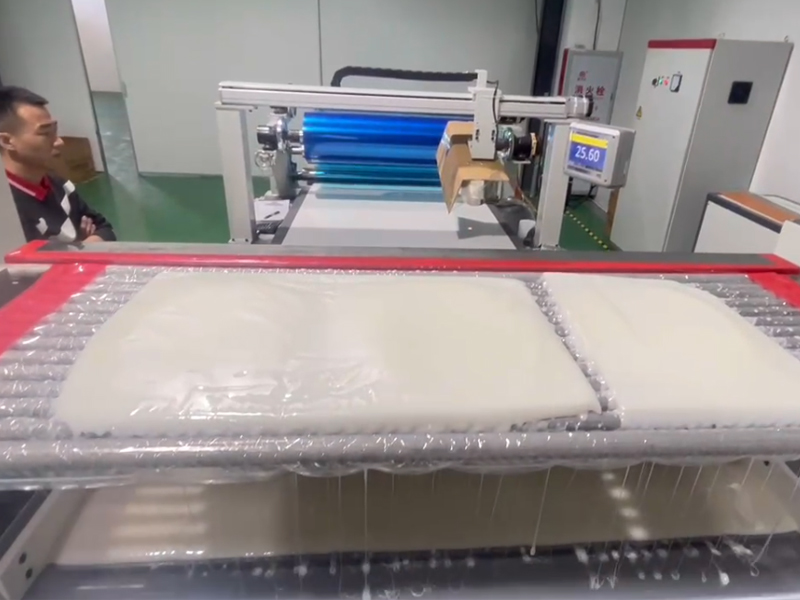
Weaving Machines
Weaving Machines
Weaving Machines
Weaving Machines
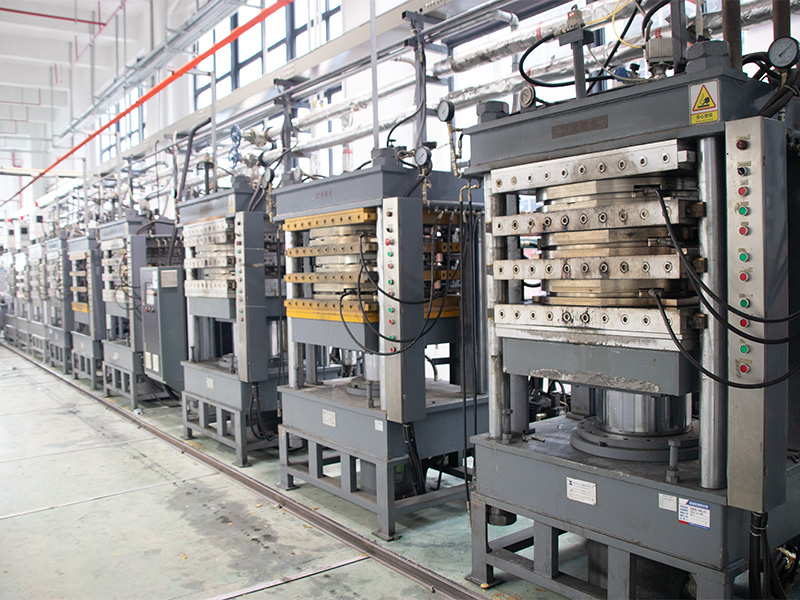
Molding Machines
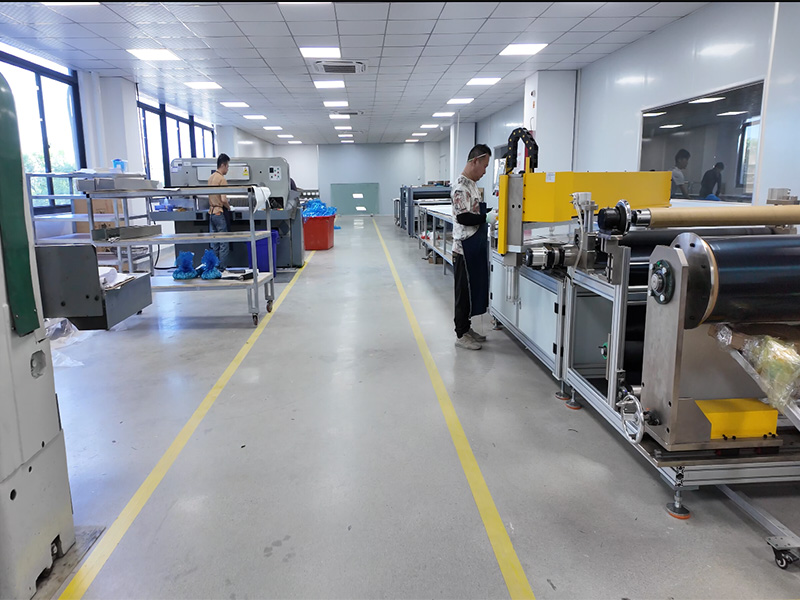
Cutting Machines
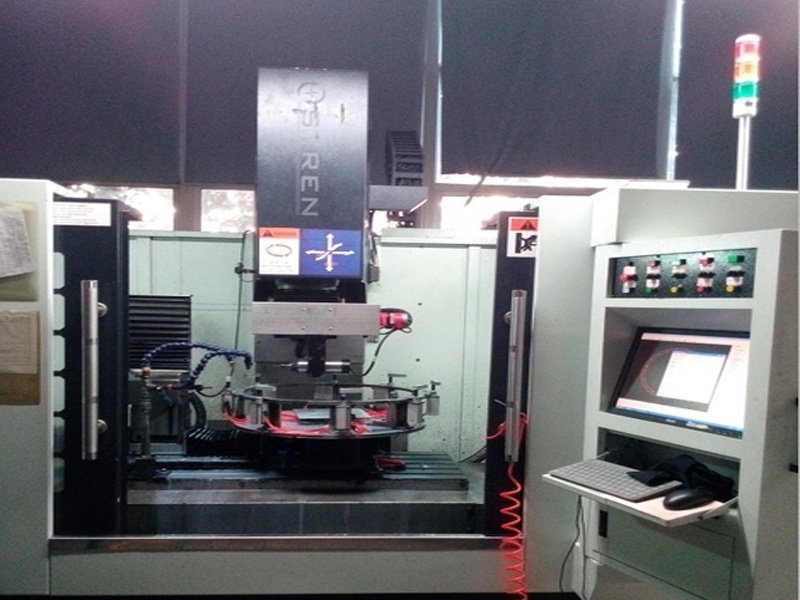
CNC Machines
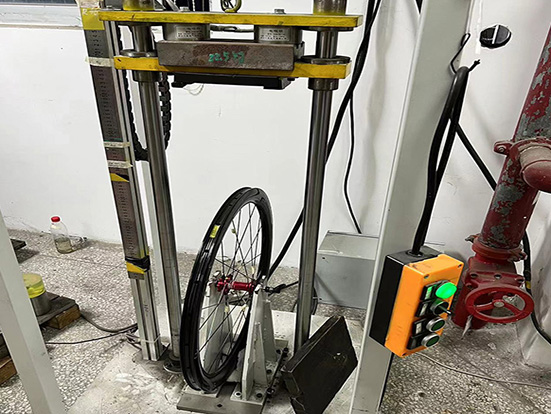
UCI Vertical Impact Test
Lateral Rigidity Test
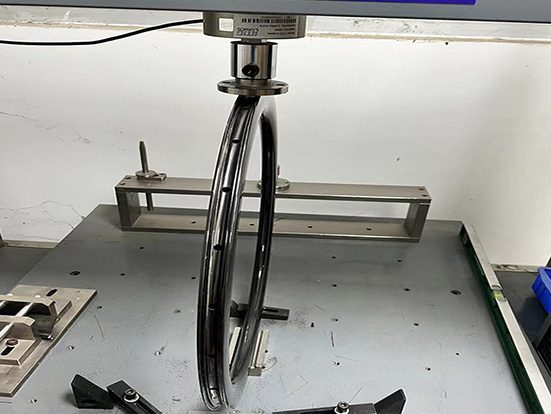
Vertical Rigidity Test
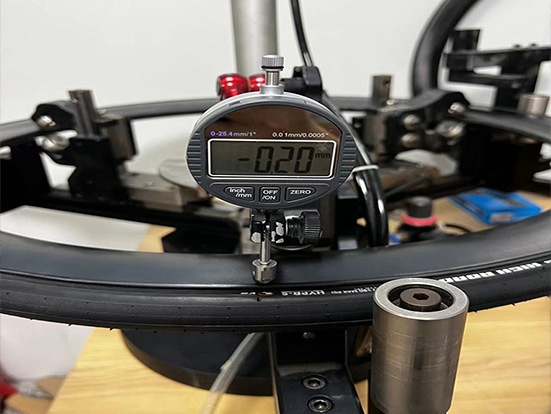
Tire Pressure Test
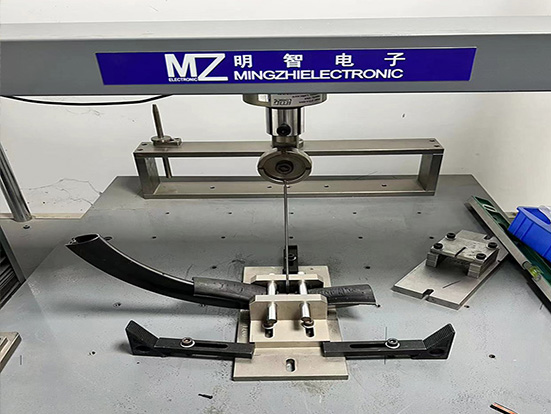
Spoke Hole Tension Test
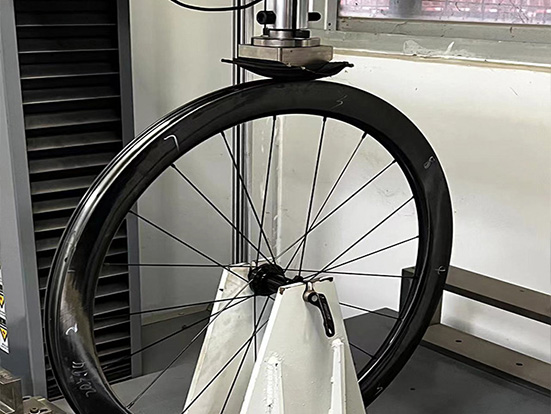
Compression Test
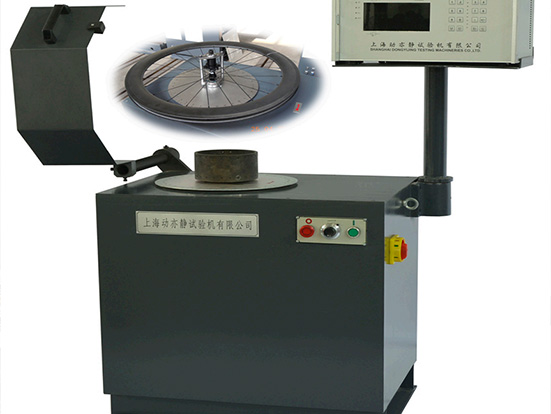
Dynamic Balancing Test
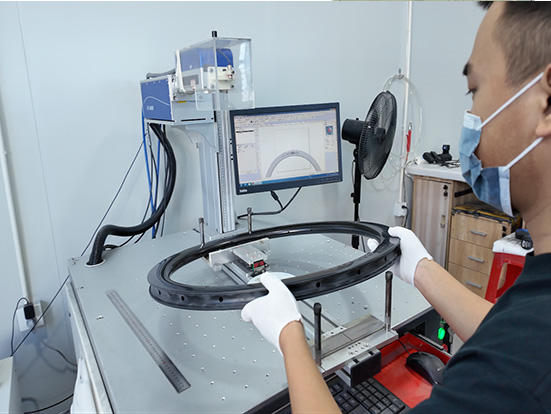
Laser Carving Machine
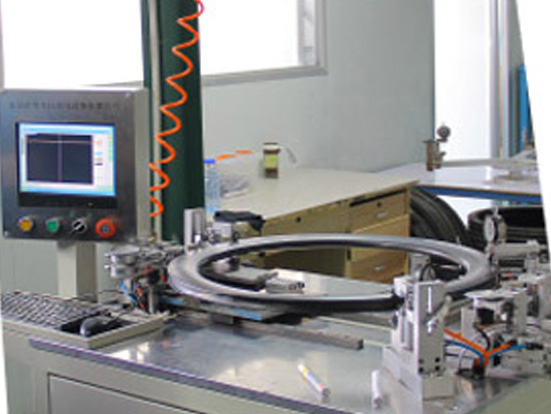
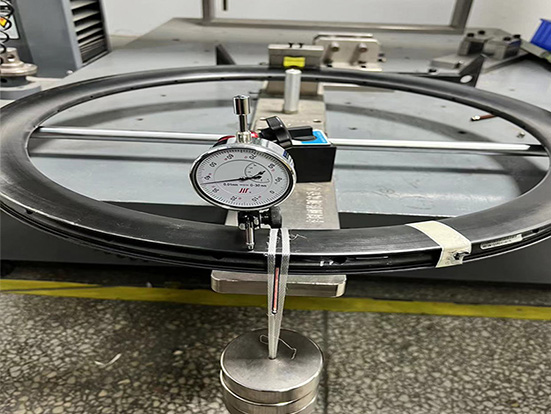
Roundness Inspection